Frequently asked questions about ViwateQ
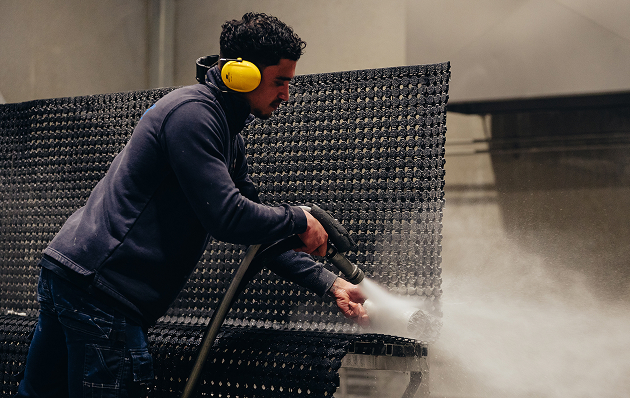
About ViwateQ Finishing
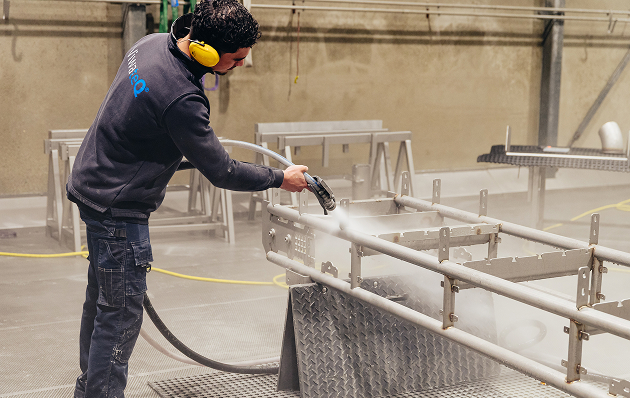
Yes. The ViwateQ treatment uses no chemicals and the equipment is designed to use a minimal amount of water.
ViwateQ is easier and safer to apply and achieves a significantly lower roughness and better topography. The surface is smoother, more corrosion resistant and easier to clean, and thin plates do not deform.
We treat almost all non-corrosive metals, such as stainless steel (including 304 and 316L) and aluminium.
Yes. The process optimises the topography of the entire surface, including welds and complex geometries.
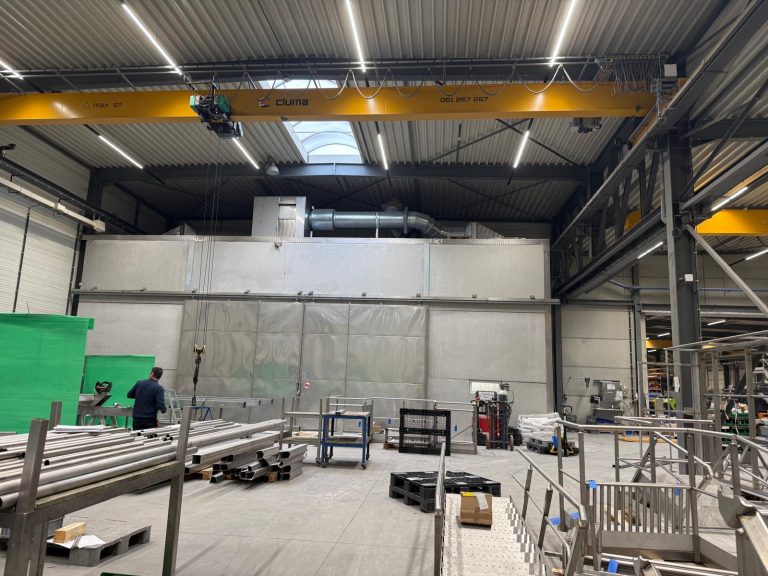
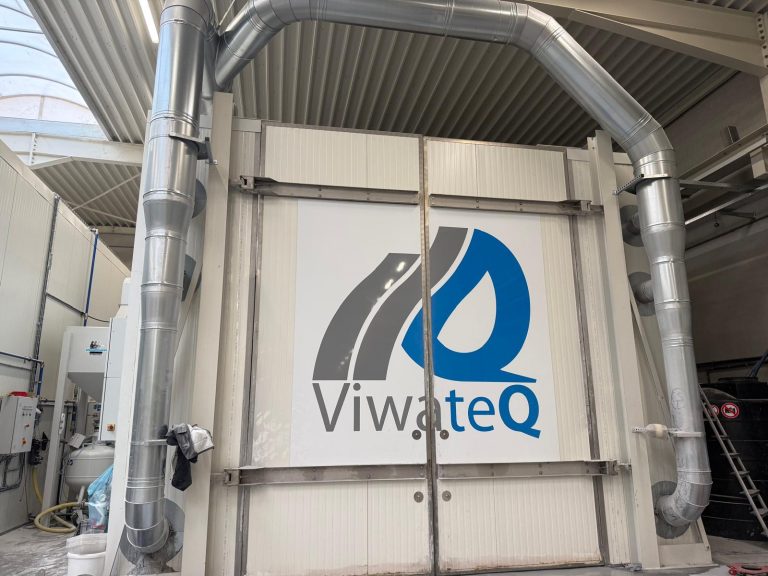
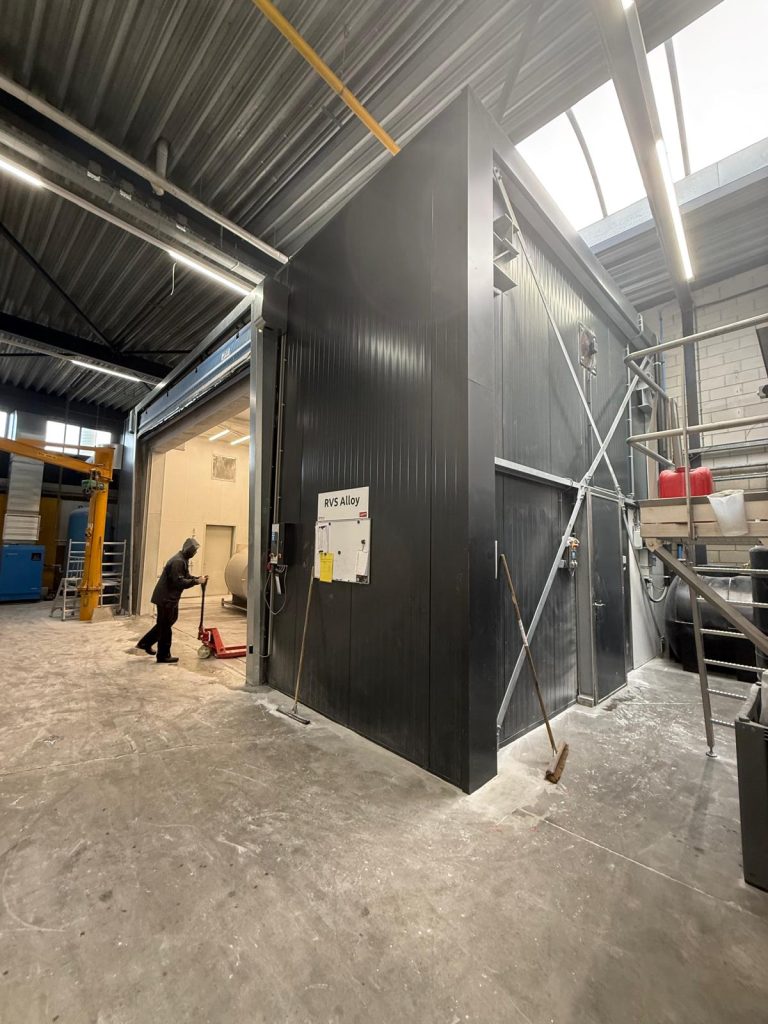
Your own ViwateQ cabin
ViwateQ uses no chemicals and the treated wastewater can be discharged into the sewer. Depending on local requirements, we assist with analyses and with obtaining permits.
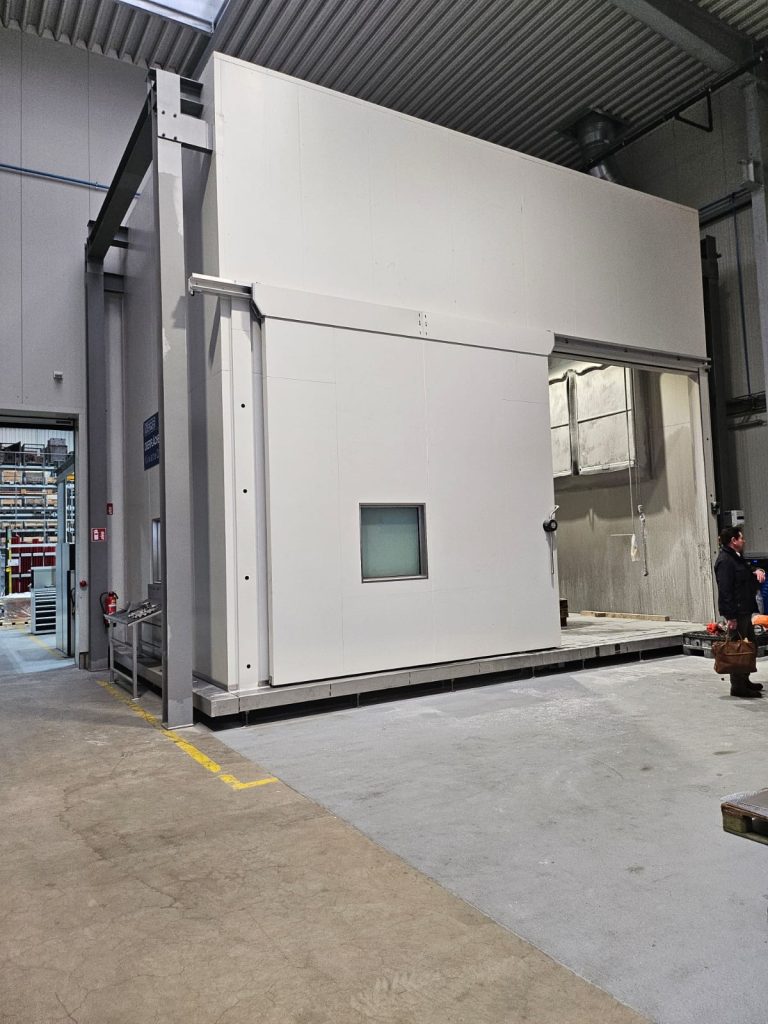
Yes. Each cabin is tailored to your needs, with technical support and drawings from us. Installed cabins range from 4 x 5 metres to 16 x 18 metres.
A three-day training at our headquarters is mandatory. On-site training follows after installation, so your operators can work independently quickly.
That depends on materials, quality requirements, configuration and required efficiency. We support licensees with training, best practices and tools for the best return.
Outsourcing to ViwateQ
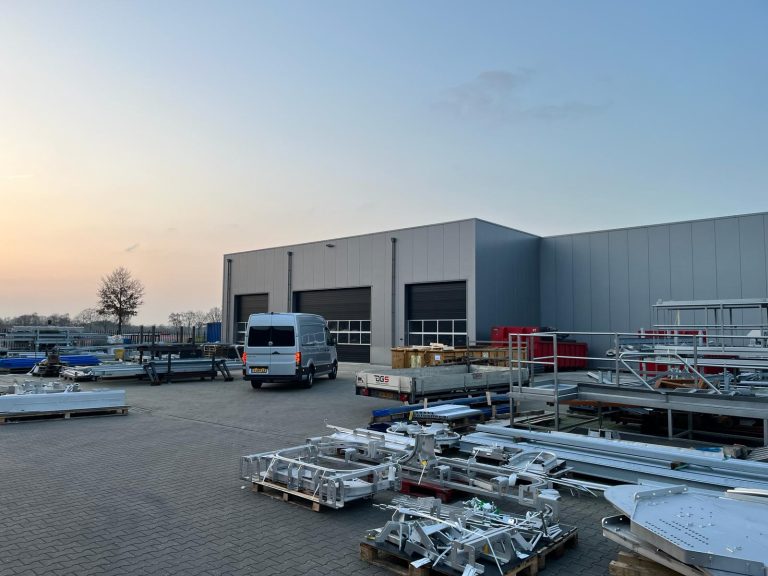
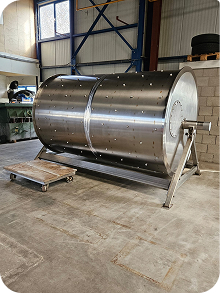
In Geldermalsen we treat parts up to 12 x 4 x 4 metres.
About 1 to 2 weeks. For larger projects, please let us know in advance so we can plan capacity properly.
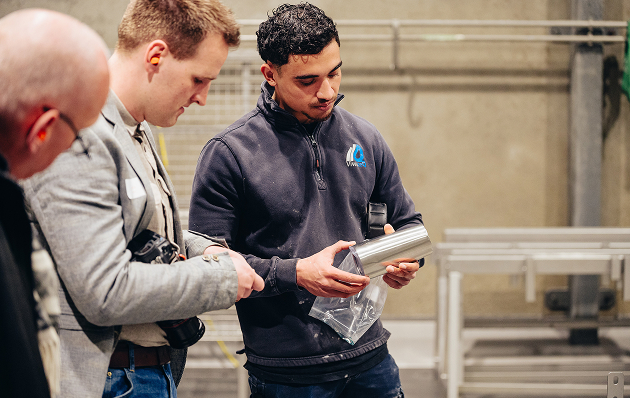
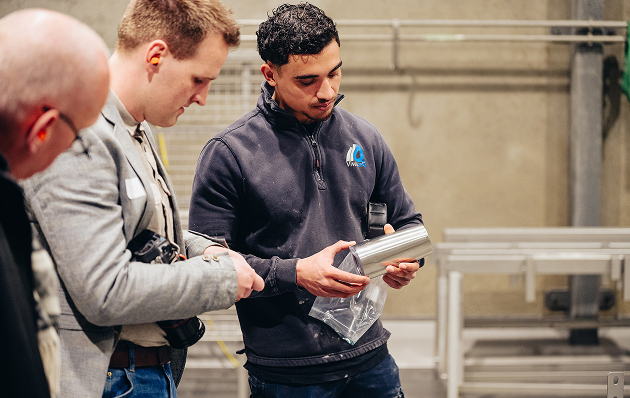
Yes. Send us a small test part or offcut. We treat it free of charge.
Standards and measurement reports
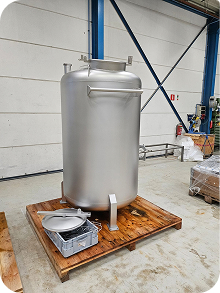
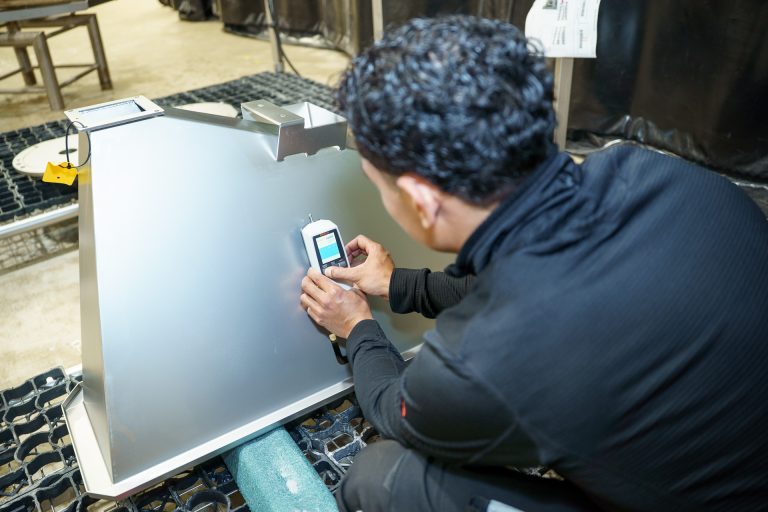
As a stand-alone treatment ViwateQ easily achieves a roughness below 0.8 µm, depending on the starting material. That meets the general EHEDG requirement and can also reach the stricter 0.6 µm used in meat and fish processing. Values below 0.5 µm, as specified in pharma, are achievable with additional steps.
Depending on the project, we provide detailed roughness and measurement reports to support quality control and compliance.
EHEDG, 3-A, TNO, ISO and Clusta. Request them and add them directly to your specifications.
Still have questions?
Our technical experts are happy to help with your specific project requirements.

Ask our engineers
Is your question not listed? Let us know and we will get back to you within one working day.